1. "Made in Spain" is now on hulu. What a glorious day today is. I get goosebumps every time José Andrés says "eh-spain." His accent is disgustingly adorable.
2. Mark Bittman was on the Colbert report. Check it out. For more info on MB, check out my Food Matters post, which has a bunch of links to other MB internet goodies.
In a somewhat related addition, I made this last night (sorry, no pics). Public service announcement: you cannot use Volcano Lemon Burst™ as regular lemon juice. Things become eruptingly lemony. Which led me to the conclusion that "volcano burst" is an accurate moniker. I have seared my taste buds with lemony-magma. This is a mistake that I will never make again.
Also, I added a link to my del.icio.us account in the right-hand column, which I have been a bit lax about using but have resolved to keep organized. Check it out for recipe ideas, and feel free to ask my thoughts on anything tagged "recipe[done]."
Taste of eh-spain,
Peter
Wednesday, March 4, 2009

Sunday, March 1, 2009
Let the Great Experiment Begin!1
I watched curling2 on TV today for the first time. Curling is that silly sport with the brooms that is the official snack-break of winter olympics watchers. I can't say that it holds a candle to ski-jumping or this (thanks, Will), but it is unequivocally more interesting than the biathlon, and here's why: (1) It's a strategy game--"rocks in the house," "he's got the hammer," "hard line," "let it curl"--all of the best strategy games have great, impenetrable idioms ("Sicilian defense, dragon variation" comes to mind). (2) You actually get to see what's happening, unlike the biathlon. I'm waiting with bated breath for the bullet-cam. You know, biathlon matrix-style. It's the only chance they've got. Watching a nice curl is kind of like watching a great ping pong or tennis game in slowmo where you get to appreciate all the spin put on every shot. (3) Finally, curling is a mixture of extreme concentration and at times--here's what I love about it--absolute panic. Sometimes they let the rock slide and the ice is completely silent, and sometimes the skip (please excuse my novice errors in curling terminology) is screaming at the absolute top of his fucking lungs at the sweepers to stop being such lazy assholes and sweep the goddamn ice. This panic on the part of the skip paired with the zeal and enthusiasm with which the sweepers comply with his panicked hollering is inherently hilarious. If the skip has botched his throw the most the can do is yell at the sweepers to clean up his mess. As if the skip's inability to do anything once he releases weren't tense enough, there's something that is fundamentally anxiety inducing in being forced to watch someone else do what you think you can do better. That's the kind of relationship I imagine between the skip and the sweepers.3
One reason that curling has showed up here is that after watching it, I had to get it out of my system. I just couldn't not talk about it. The other reason is that it has a vague, tenuous relation to poaching eggs, the actual subject of this post. I liked curling for the same reason that I liked a little egg-poaching experiment that I did a few weeks ago. A subtlety of motion and careful technique is essential to curling, and to well-poached eggs. However, there's also that oh-my-god-what-have-i-done, everything-is-going-to-hell, my-beautiful-egg-is-losing-it's-shape moment of panic that makes things so exciting as you try to coddle your poorly-curled egg into some sort of togetherness. This is part of the reason that people think that egg poaching and curling are difficult. Well, egg-poaching isn't really that hard, or so I discovered.
First of all, I know that doubling up on the eggs is poor form; however, you need to stop whining and poach yourself some. It'll be worth it. The light satiny texture of poached whites with the umami goodness of warm, runny yolk is glory incibuate.4
As it turns out, there's a lot of cooking that has to do with science and a lot of cooking that has to do with "science." I happened to be in the presence of a scientist (or "scientist"?) last weekend who mildly tolerates my food experimentation. Nicole was visiting me in Seattle and when it came time to make some brunch, she and I decided to have a friendly little competition between to egg-poaching virgins. Actually, saying that we "decided" is a bit disingenuous. Nicole strong-armed me with her spirit of antagonism into having a competition. Here are the results. You be the judge:
Nicole's Egg:


Peter's Egg:


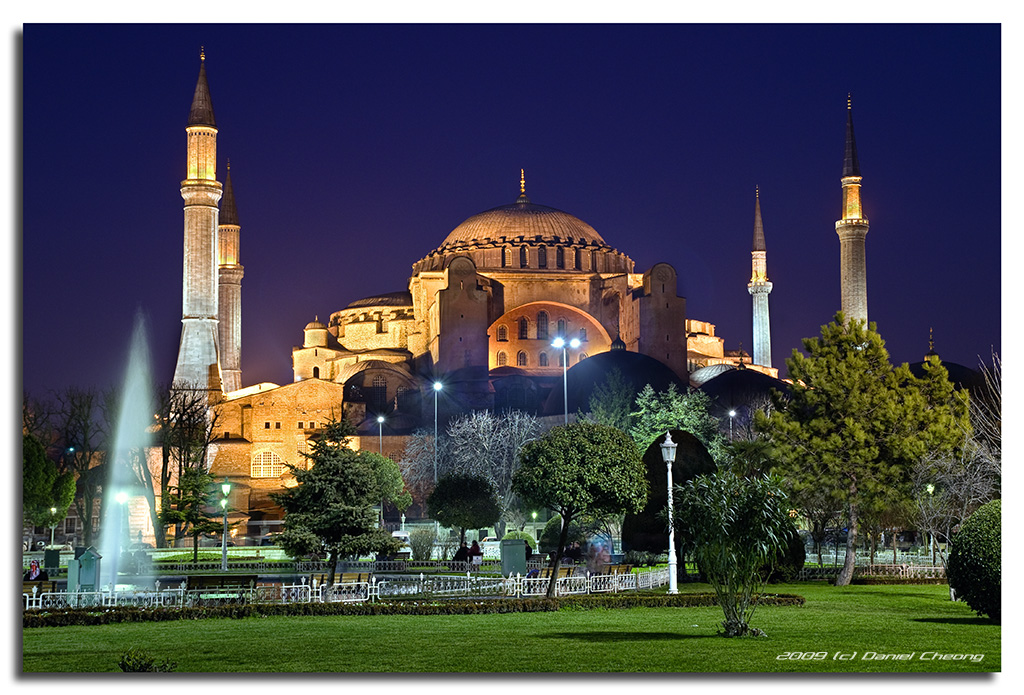
In the interest of full disclosure (and not sore-loserness) I took the picture of Nicole's egg and she took the picture of mine. And you can't really judge from pictures anyway, so whatever. It's not like anyone's judging. But, if you are, notice that beautiful runny yolk oozing out of my egg's glorious dome, and think Hagia Sophia. Here are the thoughts that we gathered on technique:
{+} Poach an Egg
We ate our silky little nubbins atop a bed of garlicky sauteed kale and wheat toast. Like eggs florentine, but with kale. And minus the hollandaise due to my unflagging laziness. Here's the scoop5 on that:
{+} Eggs Kalentine It
However, the kitchsperiments don't end with poaching eggs. You may remember that in my tzatziki post I mentioned that straining regular yogurt could yield something that approximates the consistency of greek yogurt. At the time, I didn't know that. Now I do. After doing some egg cleanup, we moved on to kitchsperiment 2: thickening yogurt. We infused some ginger and ate it as a sweet, tangy treat with honey. It was creamy and spicy and wonderful. Here's the lowdown:
{+} Strained Ginger Yogurt
Well, friends, that's all I've got for now.
Keep on brunching,
Peter
1 Fünke. [Note: Clicking the footnote number here in the footnote now brings you back to where the footnote is in the text. How cool is that?]
2 The only reason that it caught my attention is that a dear friend of mine, let's call him Bideon (something so embarrassing must be treated with the requisite anonymity in this public forum), has joined a curling league. It's a fascinating study in despair to ponder how far in to the abyss you must have descended to think sweeping ice is fun.
3 This is almost certainly my projection rather than any sort of fact of the matter about the personal dynamics of professional curling.
4 Gid, you may have to correct my bastardization of Latin here. I'm not even close to making a real word. It's just that incarnate was not quite right and grated on my vegetarian sensibilities.
5 I am currently reading Scoop by Evelyn Waugh for a little book-gathering that I am part of. It's a dry and humorous satire of British journalism and politics in the first half of the 20th century. Also, it is unrelated to the Woody Allen movie. It is related to the new Brideshead Revisted movie in that Evelyn Waugh wrote Brideshead. Y'all can thank Kribs for the recommendation.
One reason that curling has showed up here is that after watching it, I had to get it out of my system. I just couldn't not talk about it. The other reason is that it has a vague, tenuous relation to poaching eggs, the actual subject of this post. I liked curling for the same reason that I liked a little egg-poaching experiment that I did a few weeks ago. A subtlety of motion and careful technique is essential to curling, and to well-poached eggs. However, there's also that oh-my-god-what-have-i-done, everything-is-going-to-hell, my-beautiful-egg-is-losing-it's-shape moment of panic that makes things so exciting as you try to coddle your poorly-curled egg into some sort of togetherness. This is part of the reason that people think that egg poaching and curling are difficult. Well, egg-poaching isn't really that hard, or so I discovered.
First of all, I know that doubling up on the eggs is poor form; however, you need to stop whining and poach yourself some. It'll be worth it. The light satiny texture of poached whites with the umami goodness of warm, runny yolk is glory incibuate.4
As it turns out, there's a lot of cooking that has to do with science and a lot of cooking that has to do with "science." I happened to be in the presence of a scientist (or "scientist"?) last weekend who mildly tolerates my food experimentation. Nicole was visiting me in Seattle and when it came time to make some brunch, she and I decided to have a friendly little competition between to egg-poaching virgins. Actually, saying that we "decided" is a bit disingenuous. Nicole strong-armed me with her spirit of antagonism into having a competition. Here are the results. You be the judge:
Nicole's Egg:


Peter's Egg:


In the interest of full disclosure (and not sore-loserness) I took the picture of Nicole's egg and she took the picture of mine. And you can't really judge from pictures anyway, so whatever. It's not like anyone's judging. But, if you are, notice that beautiful runny yolk oozing out of my egg's glorious dome, and think Hagia Sophia. Here are the thoughts that we gathered on technique:
{+} Poach an Egg


We ate our silky little nubbins atop a bed of garlicky sauteed kale and wheat toast. Like eggs florentine, but with kale. And minus the hollandaise due to my unflagging laziness. Here's the scoop5 on that:
{+} Eggs Kalentine It


However, the kitchsperiments don't end with poaching eggs. You may remember that in my tzatziki post I mentioned that straining regular yogurt could yield something that approximates the consistency of greek yogurt. At the time, I didn't know that. Now I do. After doing some egg cleanup, we moved on to kitchsperiment 2: thickening yogurt. We infused some ginger and ate it as a sweet, tangy treat with honey. It was creamy and spicy and wonderful. Here's the lowdown:
{+} Strained Ginger Yogurt


Well, friends, that's all I've got for now.
Keep on brunching,
Peter
1 Fünke. [Note: Clicking the footnote number here in the footnote now brings you back to where the footnote is in the text. How cool is that?]
2 The only reason that it caught my attention is that a dear friend of mine, let's call him Bideon (something so embarrassing must be treated with the requisite anonymity in this public forum), has joined a curling league. It's a fascinating study in despair to ponder how far in to the abyss you must have descended to think sweeping ice is fun.
3 This is almost certainly my projection rather than any sort of fact of the matter about the personal dynamics of professional curling.
4 Gid, you may have to correct my bastardization of Latin here. I'm not even close to making a real word. It's just that incarnate was not quite right and grated on my vegetarian sensibilities.
5 I am currently reading Scoop by Evelyn Waugh for a little book-gathering that I am part of. It's a dry and humorous satire of British journalism and politics in the first half of the 20th century. Also, it is unrelated to the Woody Allen movie. It is related to the new Brideshead Revisted movie in that Evelyn Waugh wrote Brideshead. Y'all can thank Kribs for the recommendation.
Sunday, February 22, 2009
Eggs Clean. Eggs Dirty.
David Foster Wallace was right* that one of the repercussions of being a college graduate (and particularly, in his case and mine, a philosophy degree holder) is the gnawing desire to intellectualize all of the banalities of life.** And it's a temptation that's hard to resist. I was in the kitchen two weeks ago with the aim of an eggy Sunday brunch. Now, before I get too deep into this I want to state the simple truth of things: I could not decide if I wanted a robustly flavored brunch (think garlic-onion-feta omelet style, maybe some red pepper flakes, buttered toast), or something more delicate (avocado-fresh mozz-tomato poached egg on an english muffin). So, I went both ways. Actually, I went a third way, which may or may not deserve to be indicted by the "over-intellectualization" accusation. The third way, and the subject of this post is Eggs Clean, Eggs Dirty.

It's a standard solution to any dichotomous but non-mutually-exclusive problem: choose both. I had the time. I had the resources. I had the ganas. I would have some eggs clean (subtle, delicate, fresh flavors), some eggs dirty (halitosis-inducing). A yin and a yang on my breakfast plate: o, beautiful balance. The Apollonian and the Dionysian, if you will.*** My breakfast had a guiding principle, a metaphysical foundation, a real theme that I planned to repeat in variation in weeks to come. This, for the skimmers, is where the "over-intellectualization" comes into play. For Chrissake, it's an omelet. As I cooked I flipped and folded and kneaded and tossed around in my mind the now-titled Eggs Clean Eggs Dirty approach to brunch. From there, it grew. (In the interest of full disclosure, no one loves a two-for-one like I do.)
Now, what makes it worse is that I proceeded to preach Eggs Clean Eggs Dirty. Will heard about it. He was unimpressed. Not to let this crush my enthusiasm, I brought it to Kibbee and Rachel. They let me down a bit more gently, "It's amazing you've got the energy to cook two kinds of eggs..." (Note, ellipsis, not exclamation.) I didn't think this was a question of energy, I thought it was a question of an idea having power. It had balance, it satisfied all sorts of urges, I never had to settle on a single flavor set for my eggs again. These more abstract qualities, however, proved less than compelling in the world of dishwashing (sometimes I rationalize K&R's tepid response by imagining doing dishes in their 8" x 10" dribbly-faucet sink). In response, I've backed off the Eggs Clean Eggs Dirty as a brunch for everyone, and rationalized it to myself as a good way to get two brunch recipes on the blog at one time.
Enough thinking, time to eat. Egg brunch, for me at least, somehow has this wonderful ability to become very complicated without becoming too messy or too time-consuming. I really believe that doing two kinds of eggs at one time is less burdensome than it first appears. You don't have to take my word for it, you can try it. If you're sappy, it's a great love brunch: one person makes eggs clean, one eggs dirty, and you split!**** But you have to call it Eggs Clean Eggs Dirty.
Here it is: a case study, theory in action:
{+} Yin
{+} Yang
Regretfully Yours,
Peter
* The 'was right' link is required reading. Here is some suggested reading.
** I'm pretty sure that DFW says "over-intellectualize." I don't want to commit to "over" yet because it seems unnecessarily pejorative to me. I expect my reluctance is nothing more than a knee-jerk defense of my default behavior. Whatever the case, what Wallace is actually after isn't a standard, cut-and-dry, conservative anti-intellectualism. Far from it (see: any non-fiction piece Wallace ever wrote). Instead, Wallace is worried that it's so incredibly easy to become absorbed in our own intellectual life. It's so easy to become caught up in the monologue in our heads and not pay attention to (1) what is happening around us, and (2) whether we are spending these moments of onanism thinking about things that really matter. For the real gist of it (and some better-crafted prose), read the linked speech. I just wanted to point out that Wallace thinks there's nothing wrong with a lot of the abstraction and intellectualzation that we do; and, I wanted to point this out mostly to defend my own habits. On an unrelated note, DFW coined one of my new favorite words in his essay "A Supposedly Fun Thing I'll Never do Again": niagaracal. Like Niagara falls. This word is so money, but lamentably so rarely appropriate.
*** An abuse of terms, if ever there was one. But (1) I couldn't resist, and (2) we were talking about over-intellectualizing . . .
**** I'm convinced that this really sappy here's-how-to-make-it-if-you're-in-love tone comes from reading too many other food blogs. If I offended you, I apologize. If I embarrassed myself, ignore it.

It's a standard solution to any dichotomous but non-mutually-exclusive problem: choose both. I had the time. I had the resources. I had the ganas. I would have some eggs clean (subtle, delicate, fresh flavors), some eggs dirty (halitosis-inducing). A yin and a yang on my breakfast plate: o, beautiful balance. The Apollonian and the Dionysian, if you will.*** My breakfast had a guiding principle, a metaphysical foundation, a real theme that I planned to repeat in variation in weeks to come. This, for the skimmers, is where the "over-intellectualization" comes into play. For Chrissake, it's an omelet. As I cooked I flipped and folded and kneaded and tossed around in my mind the now-titled Eggs Clean Eggs Dirty approach to brunch. From there, it grew. (In the interest of full disclosure, no one loves a two-for-one like I do.)
Now, what makes it worse is that I proceeded to preach Eggs Clean Eggs Dirty. Will heard about it. He was unimpressed. Not to let this crush my enthusiasm, I brought it to Kibbee and Rachel. They let me down a bit more gently, "It's amazing you've got the energy to cook two kinds of eggs..." (Note, ellipsis, not exclamation.) I didn't think this was a question of energy, I thought it was a question of an idea having power. It had balance, it satisfied all sorts of urges, I never had to settle on a single flavor set for my eggs again. These more abstract qualities, however, proved less than compelling in the world of dishwashing (sometimes I rationalize K&R's tepid response by imagining doing dishes in their 8" x 10" dribbly-faucet sink). In response, I've backed off the Eggs Clean Eggs Dirty as a brunch for everyone, and rationalized it to myself as a good way to get two brunch recipes on the blog at one time.
Enough thinking, time to eat. Egg brunch, for me at least, somehow has this wonderful ability to become very complicated without becoming too messy or too time-consuming. I really believe that doing two kinds of eggs at one time is less burdensome than it first appears. You don't have to take my word for it, you can try it. If you're sappy, it's a great love brunch: one person makes eggs clean, one eggs dirty, and you split!**** But you have to call it Eggs Clean Eggs Dirty.
Here it is: a case study, theory in action:
{+} Yin
{+} Yang


Regretfully Yours,
Peter
* The 'was right' link is required reading. Here is some suggested reading.
** I'm pretty sure that DFW says "over-intellectualize." I don't want to commit to "over" yet because it seems unnecessarily pejorative to me. I expect my reluctance is nothing more than a knee-jerk defense of my default behavior. Whatever the case, what Wallace is actually after isn't a standard, cut-and-dry, conservative anti-intellectualism. Far from it (see: any non-fiction piece Wallace ever wrote). Instead, Wallace is worried that it's so incredibly easy to become absorbed in our own intellectual life. It's so easy to become caught up in the monologue in our heads and not pay attention to (1) what is happening around us, and (2) whether we are spending these moments of onanism thinking about things that really matter. For the real gist of it (and some better-crafted prose), read the linked speech. I just wanted to point out that Wallace thinks there's nothing wrong with a lot of the abstraction and intellectualzation that we do; and, I wanted to point this out mostly to defend my own habits. On an unrelated note, DFW coined one of my new favorite words in his essay "A Supposedly Fun Thing I'll Never do Again": niagaracal. Like Niagara falls. This word is so money, but lamentably so rarely appropriate.
*** An abuse of terms, if ever there was one. But (1) I couldn't resist, and (2) we were talking about over-intellectualizing . . .
**** I'm convinced that this really sappy here's-how-to-make-it-if-you're-in-love tone comes from reading too many other food blogs. If I offended you, I apologize. If I embarrassed myself, ignore it.
Thursday, February 12, 2009
Merry Christmas!
Happy Valentine's Day, everybody! And a merry Christmas! So, I've already confessed to being a little delinquent in getting posts up on the ol' blogalog,* and this is one of the more tardy (though, there may or may not be a post about an August paella...) Since the Brothers Bull have moved in triplicate to Seattle, Papa and Mama Bull decided that they would visit their children for the winter holidays. We made a nice week and a half of it, including a trip to Whidbey Island (glorious in the cold light of the northwest winter sun).
M & C arrived in the evening on Christmas day, so we had our Christmas dinner on the 26th, and, as is only appropriate, all of the dishes were themed to be Christmas colors: red pepper risotto with lime, roasted garlic brussels sprouts with paprika, and pomegranate parsley tabouleh. Unfortunately, my pictures of the food are less than satisfactory. These were my young, naive, pre-DSLR days. This may be the best shot that I got:

The sprouts recipe is dead simple, and is essentially my aping the way that my aunt makes b-sprouts for every Thanksgiving. If you think that you don't love brussels sprouts, you're wrong. You do. If you need convincing, try this recipe. Or, if you don't need heavy cream to convince you (hell, it convinces me that nearly anything is delicious), try them roasted:
{+} Sprouts Recipe
{+} Pomegranate Tabouleh
{+} Red Pepper Risotto
M & C arrived in the evening on Christmas day, so we had our Christmas dinner on the 26th, and, as is only appropriate, all of the dishes were themed to be Christmas colors: red pepper risotto with lime, roasted garlic brussels sprouts with paprika, and pomegranate parsley tabouleh. Unfortunately, my pictures of the food are less than satisfactory. These were my young, naive, pre-DSLR days. This may be the best shot that I got:
The sprouts recipe is dead simple, and is essentially my aping the way that my aunt makes b-sprouts for every Thanksgiving. If you think that you don't love brussels sprouts, you're wrong. You do. If you need convincing, try this recipe. Or, if you don't need heavy cream to convince you (hell, it convinces me that nearly anything is delicious), try them roasted:
{+} Sprouts Recipe

Will and I have been eating our share of Brussels sprouts recently, and it's been grand. Just the other day we had Kribshire over for some spinach-feta-ricotta calzones, and had some of these on the side. I'll post soon about calzones--Will and I have been using a no-rise pizza dough to make our calzones, and it's damn easy. Also, calzones are brilliant cheese delivery devices, so you gotta love 'em.
I've always loved tabouleh, and got the idea for a bulgur-based salad with a pomegranate kick here. I made swapped the walnuts for almonds, bailed on the celery, and added a touch of lime juice to the dressing. I think it came out quite nicely as a way to spice up your regular old tabouleh. Also, for some reason pomegranate seeds, those tart little explosions of joy, remind me of that scene from RotK where Denethor goes all NOM NOMs (@25s) on that cherry tomato. Hilarious. Anyway, here's the salad:
{+} Pomegranate Tabouleh

Finally, we've made our way to the risotto. I've actually made this a number of times. Damn, risotto is good. Also, I used leftovers to make Arancini, which are unequivocally one of the greatest creations of Western civilization. My god, these are genius. I've got a pic, so maybe I'll add a post about them, but I more or less followed the recipe from Food Junta anyway. So, on to the red pepper risotto and the conclusion of Christmas dinner.
{+} Red Pepper Risotto

Look forward to hearing about some kitchsperiments that took place this weekend soon.
Taste of Italy,**
Peter
*I can't believe I've never thought of this before. IX points to whomever correctly remembers the book that I read this summer which features prominently the Guosim warcry.
** Eric may or may not have signed a drunken e-mail that I received from him about taking olive oil shots with this. Hey, it's in his blood.
Sunday, February 8, 2009
Opa!: Tzatziki and Friends
I discovered the wonder that is a real, assertive tzatziki (i.e., not what is generally served on your falafel or souvlaki at that vaguely Mediterranean sandwich place) while on the Hellenic leg of my summer sojourn this year (for curious folks, there was also a Flemish leg, an Iberian leg, and an Ottoman leg--and they were referred to as such to the consistent confusion of other native (and non-native) speakers of English). At the outset of our aforementioned Hellenic leg, we encountered "herbage cheese balls" (which bore my two favorite characteristics of Greek cuisine: being drowned in olive oil and being delicious) and, the subject of this entry, authentic tzatziki. Served as an appetizer with fresh bread, Greek tzatziki is the absolute jam. It's got a yogurt tang, a garlic kick, the comfort of dill, some lemony love, and, made right, the added subtlety of some extra virgin olive oil.
After a middling-at-best attempt to recreate that Greek delight in Istanbul, I came back to the states and worked the recipe into shape. It is my go-to dip these days (which used to be hummus, and then was guacamole--both of which still turn up pretty often when Will and I are entertaining--actually, hummus less so these days because I can only find Joyva tahini in Seattle, which just does not do it for me; there's little sesame kick, and it's insufficiently creamy). It's not nearly as quick to make as hummus since there's some knifework involved, but in this eater's estimation,* the extra work is well worth it.
I don't have any great pictures of the process at the moment, but I'll add some next I make it, which will be soon. As matter of note, you don't need Greek yogurt (Fage, Oikos, and Greek Gods are the brands I've seen in supermarkets) to make tzatziki, but it REALLY helps. It's much thicker than regular yogurt and keeps the dip from being runny. If you can't get your hands on Greek yogurt, I've heard that you can approximate it with regular yogurt. The essential process is to strain more of the whey out of the yogurt so that it has the same sort of thickness. You should be able to do this with a couple layers of cheesecloth. Put the yogurt in it, squeeze, and then hang it for a bit from the faucet to let more of the whey drain. In fact, I'm planning on trying this soon and using the hanging time to infuse the yogurt with some other flavor (ginger, perhaps?).
Anyway, on to the recipe.
{+} Tzatziki Recipe
So, as I said, I don't have any pictures of straight tzatziki these days. I will soon. I do, however, have a picture of my Greek-themed open-faced eggplant & kale sandwich which sprung out of my mind and onto my plate last Monday. A bit heavy for a pre-soccer meal, but holy hell, it was delicious:
 Might as well give you the "recipe" for that as well. It was really just the results of what was in the fridge:
{+} Eggplant Kale Sandwich Recipe
Chau chau** for now now!
Peter
*I've incorporated this construction into my idiolect after picking it up from one of my favorite purveyors of idiosyncrasies, Harold Bloom. E.g., "In this editor's lifelong judgment, Wallace Stevens is the principal America poet since Walt Whitman and Emily Dickinson." I'm not sure everyone finds Bloom as funny as I do, but I've got a real soft spot for the man.
**You can thank the Chileans for this spelling. Also, pokemones.
After a middling-at-best attempt to recreate that Greek delight in Istanbul, I came back to the states and worked the recipe into shape. It is my go-to dip these days (which used to be hummus, and then was guacamole--both of which still turn up pretty often when Will and I are entertaining--actually, hummus less so these days because I can only find Joyva tahini in Seattle, which just does not do it for me; there's little sesame kick, and it's insufficiently creamy). It's not nearly as quick to make as hummus since there's some knifework involved, but in this eater's estimation,* the extra work is well worth it.
I don't have any great pictures of the process at the moment, but I'll add some next I make it, which will be soon. As matter of note, you don't need Greek yogurt (Fage, Oikos, and Greek Gods are the brands I've seen in supermarkets) to make tzatziki, but it REALLY helps. It's much thicker than regular yogurt and keeps the dip from being runny. If you can't get your hands on Greek yogurt, I've heard that you can approximate it with regular yogurt. The essential process is to strain more of the whey out of the yogurt so that it has the same sort of thickness. You should be able to do this with a couple layers of cheesecloth. Put the yogurt in it, squeeze, and then hang it for a bit from the faucet to let more of the whey drain. In fact, I'm planning on trying this soon and using the hanging time to infuse the yogurt with some other flavor (ginger, perhaps?).
Anyway, on to the recipe.
{+} Tzatziki Recipe
So, as I said, I don't have any pictures of straight tzatziki these days. I will soon. I do, however, have a picture of my Greek-themed open-faced eggplant & kale sandwich which sprung out of my mind and onto my plate last Monday. A bit heavy for a pre-soccer meal, but holy hell, it was delicious:
 Might as well give you the "recipe" for that as well. It was really just the results of what was in the fridge:
{+} Eggplant Kale Sandwich Recipe
.JPG)
Chau chau** for now now!
Peter
*I've incorporated this construction into my idiolect after picking it up from one of my favorite purveyors of idiosyncrasies, Harold Bloom. E.g., "In this editor's lifelong judgment, Wallace Stevens is the principal America poet since Walt Whitman and Emily Dickinson." I'm not sure everyone finds Bloom as funny as I do, but I've got a real soft spot for the man.
**You can thank the Chileans for this spelling. Also, pokemones.
Sunday, January 25, 2009
RECIPE RAMPAGE™
 I've been cooking and eating a lot (because, hey, gotta survive), but not posting any of the recipes (because, hey, I'm kind of lazy). There's a backlog of dishes with pictures and recipes that I need to post in order to get the tubes working again, so I'm off on a Recipe Rampage™. This is where I post a whole bunch of recipes in a short period of time, in the frenetic, slathering rampage style.
I'm starting with what I cooked last Saturday, which was a precursor to the monthly (or so) Guild of Young Seattle Ale Brewers beer drinking get-together. The brew was dubbed the "Weber Porter" (in honor of the lovely Katie Weber, girlfriend of Wilson, and friend of all living creatures). It was widely touted as "a complex and chocolatey beer with a subtle nuttiness and overtones of fresh coca." Ok, I wrote that before I even tasted it, but it was still good. Next up is a brown ale that may or may not be nutty. As of yet, the nuts are undecided.
On to the the recipe, which was a variation on eggplant parmigiano--well, sort of. It was panko-breaded eggplant with fresh mozzarella, tomato, and basil, drizzled with a balsamic reduction. I guess it was more like the bastard love child of caprese and eggplant parmigiano, and it's something that has been brewing in my head since this summer. If the eggplant is fried properly, this ends up being a light and fresh dish
Jonah and Lauren came down early to have dinner with us before the beer gathering began, so the five us macked on this little number:

Here's how I made it:
{+} Eggplant Capregiano Recipe
.jpg)
A couple more pics for your enjoyment:
{+} Expand to see the pictures...


Much more, very soon.
Lovies,
Peter
*Excuse my dumb names. Please.
**Note to people who may be as silly as I am: Do not make your balsamic reduction in a cast iron pan. Obviously. Putting acid on cast iron is asking to ruin your seasoning and engender oxidation. N00b.
Monday, January 12, 2009
FOOD MATTERS.
Mark Bittman, of Minimalist fame, is coming to Seattle! A little biopic--including, his lilliputian kitchen--here. In this blogger's estimation, Mark Bittman is the friggin' man: good eats, good politics, and a touch of New York cynic-sass. Watch his videos on the NYT site for a taste of his style. He'll be talking about his book, Food Matters. I'm going and you should too if you are in Seattle. If you can't make it, check out his TED talk for similar stuff.
Mark Bittman on Food Matters
Wednesday, January 14th
7:00 PM
University of Washington, Kane Hall, Room 120
Mark Bittman on Food Matters
Wednesday, January 14th
7:00 PM
University of Washington, Kane Hall, Room 120
Subscribe to:
Posts (Atom)